

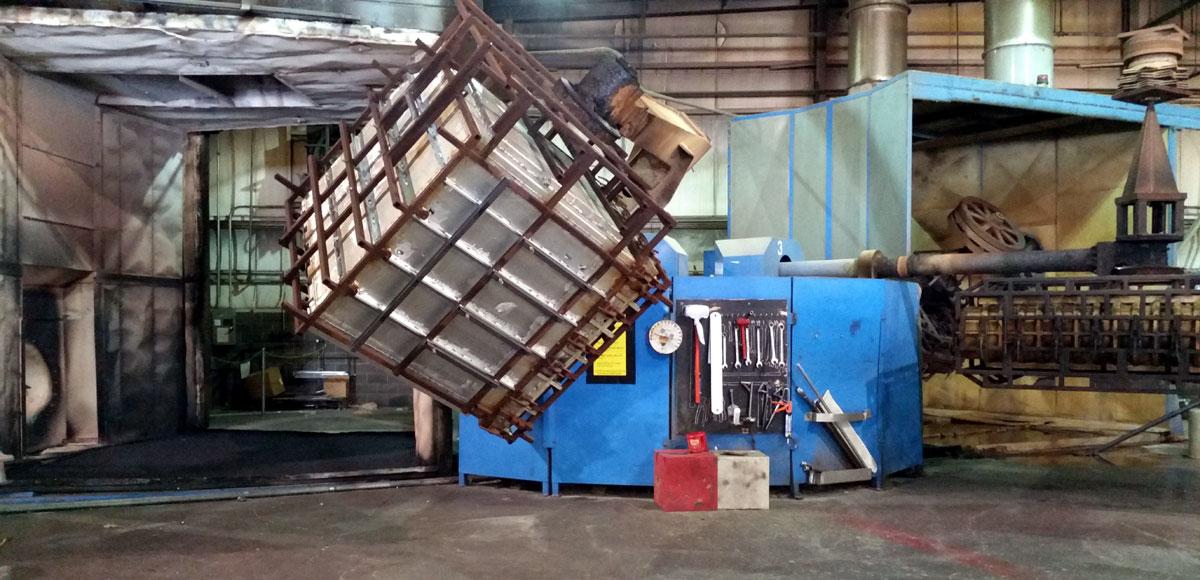
Rotomolding, or rotational molding, has steadily surfaced as a innovative method in the parts industry. That functional production process allows for the generation of useless, smooth, and resilient services and products with extraordinary style flexibility. Unlike different molding techniques, Rotomolding presents cost-effective production, small substance spend, and the ability to make complex styles that would be difficult applying old-fashioned methods.
Increasing Possibilities in Automotive Parts
One of the most encouraging purposes of rotomolding is in the automotive sector. Companies are increasingly applying this strategy to create lightweight fuel tanks, storage pockets, and bumpers. Rotomolded areas not merely reduce car fat but additionally improve durability and weight to affect, which will be vital for safety. This innovation is helping the automotive market shift toward more sustainable and effective solutions.
Improving Outdoor and Recreational Items
Rotomolding has considerably influenced the outside and recreational market. Items like kayaks, canoes, playground gear, and storage sheds benefit from rotomolding's capacity to create powerful, weather-resistant, and long-lasting structures. The method also permits creative patterns with vibrant shades and complex designs, making outdoor services and products not merely useful but visually appealing.
Revolutionizing Commercial and Storage Alternatives
In commercial purposes, rotomolding has smooth the way in which for powerful storage solutions. Large containers, tanks, and pallets are significantly produced using this method due to their resilience and versatility. Rotomolded services and products resist severe environmental situations and heavy masses while sustaining architectural integrity. Organizations benefit from reduced maintenance costs and longer product lifespans, contributing to operational efficiency.
Selling Sustainability in Manufacturing
Sustainability is another place wherever rotomolding shines. The procedure employs less energy compared to injection molding and produces minimal waste. Also, several rotomolded goods are recyclable, supporting a circular economy. Suppliers are increasingly adopting eco-friendly materials in rotomolding, rendering it a responsible selection for businesses and customers seeking sustainable solutions.
Conclusion
Rotomolding continues to show its price across multiple industries, from automotive and adventure to professional applications. Their mixture of design flexibility, toughness, and cost-effectiveness assures that the procedure can remain at the forefront of modern manufacturing. As organizations explore new applications, rotomolding is indicating to be not just a production approach but a catalyst for imagination and sustainability in the parts industry.